Kada Prashad
Allergy notes
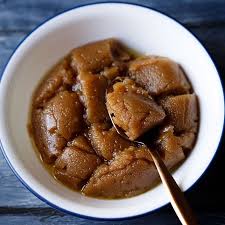
Contains wheat (gluten) and dairy. Kada Prashad is made with the highest level of consideration of cross contamination and is one of the purest items in the Gurudwara.

Langar is about equality, belonging, and community. For people with food allergies, it can also come with fear: fear of being embarrassed, fear of asking “what’s in this,” and sometimes fear of a serious reaction. This site is here to make langar more informed, more inclusive, and safer for everyone.
Note: This is educational information. For medical advice, follow your clinician’s guidance and emergency plan.
My name is Eshar Dhaliwal. I am a 14 year old Sikh boy, and I live with food allergies. When you have allergies, you learn early that food is not always simple. You cannot just grab a snack, accept a plate, or try something new without thinking about what could go wrong. You have to ask questions. You have to double check. And you have to do it even when it feels awkward, even when you worry people will think you are being difficult.
Allergies can feel invisible to everyone else, but they are loud in your head. A small ingredient, a shared spoon, or a tray that touched the wrong food can turn an ordinary moment into panic. And the hardest part is that the risk is not always obvious. Sometimes people mean well and still make mistakes because they simply do not know.
In Sikhi, community meals and shared food are deeply meaningful. Langar is built on the idea that everyone belongs. I want that to be true not only spiritually, but physically too. I want people with allergies to feel they can sit down without fear. I want families to feel they do not have to choose between safety and participating in their culture.
That is why I made this site: to educate people about food allergens and also to respect cultural practices around food. Awareness is not just “nice.” It can prevent dangerous reactions. It can reduce anxiety. And it can make someone feel included instead of singled out.
Langar is the free community kitchen found at every gurdwara. It is a living practice of equality: people sit together, share a meal, and serve one another, regardless of background, wealth, or status.
Because langar is prepared for many people, it is usually cooked in a shared space with shared utensils and large batches. That is beautiful, but it also means allergy risks can be higher if ingredients and processes are not clearly communicated.
This is not about blaming anyone. It is about making a good thing safer. When we label foods, understand common allergens, and reduce cross-contamination, we protect Sangat members who are children, elders, or anyone living with allergies.
Food can be tied to faith, tradition, and community. Allergy awareness should never be used to shame cultural foods. The goal is to keep traditions strong while making them safer through clarity and care.
Inclusion means people can participate without fear. Clear ingredient info, separate serving utensils, and simple signage can help someone choose safely without feeling like a problem.
Recipes (except for Kada Prashad) vary by gurdwara and by day. Use this as a starting point, and always confirm ingredients if you are at a high risk of a reaction.
Contains wheat (gluten) and dairy. Kada Prashad is made with the highest level of consideration of cross contamination and is one of the purest items in the Gurudwara.
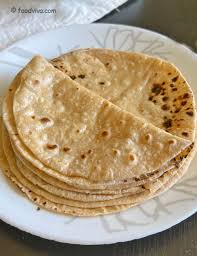
Contains wheat (gluten). May contain dairy if ghee is used. Cross-contact risk.
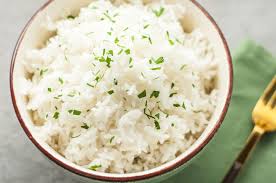
Naturally gluten-free, but cross-contact is possible if cooked/served near wheat, dairy, or nuts.
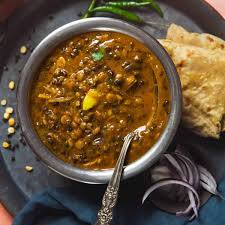
Often gluten-free and vegan, but confirm spice blends and whether ghee (dairy) is used. Cross-contact risk.
Enter your email to receive occasional updates about food allergy awareness, langar safety, and community inclusion.